Geometric Outline Clipart Shapes
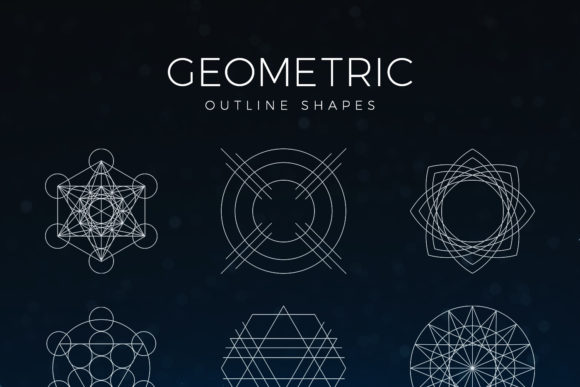
Geometric outline clipart shapes offer a versatile and clean visual style that can enhance a wide range of creative projects. These simple, line-based designs are ideal for adding structure, clarity, or artistic flair to digital work. Whether you're designing a website, creating a presentation, or working on a print project, geometric outlines provide a professional and modern look without the complexity of full-color illustrations.
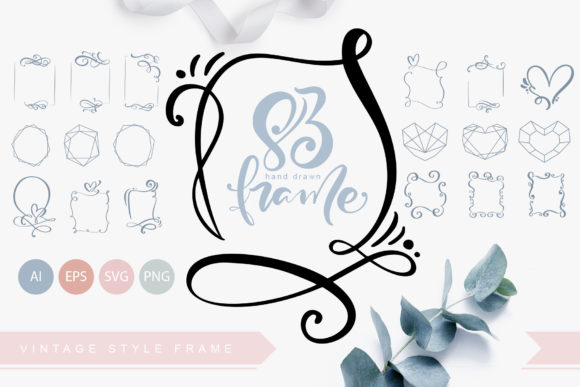
The pack includes 25 unique geometric thin outline shapes, each available in multiple file formats. This ensures compatibility with different design tools and workflows. The files include Adobe Illustrator (AI), individual Encapsulated PostScript (EPS) files, and transparent Portable Network Graphics (PNG) files. This variety allows users to choose the format that best suits their needs, whether they're working in vector-based software or need raster images for web use.
Why Different Audiences Care About Geometric Outline Clipart Shapes
Geometric outline clipart shapes may seem like a small detail, but they hold value for many different types of users. For beginners, these shapes can serve as a foundation for learning design principles, helping them understand how form and structure contribute to visual communication. For professionals, they offer a quick and reliable way to add visual elements without the need for complex illustration work.
For educators, geometric outlines can be used to teach geometry, symmetry, and design concepts in an engaging and accessible way. Business owners and marketers might find them useful for creating branded materials, infographics, or social media content that maintains a consistent and professional appearance. Hobbyists and creatives can experiment with these shapes to explore new styles or incorporate them into personal projects like digital art, greeting cards, or DIY crafts.
How Different Users Might Approach Geometric Outline Clipart Shapes
Beginners may focus on ease of use and accessibility when selecting geometric outline shapes. They might look for files that are easy to open, edit, and integrate into their projects. A user who is just starting out might prefer PNG files for quick use in graphic design software or online platforms. They might also seek out resources that explain how to customize the shapes, such as adjusting line width or color.
Experienced designers, on the other hand, may prioritize flexibility and quality. They might prefer AI and EPS files, which allow for precise adjustments and high-resolution output. These formats are ideal for projects that require scalability, such as logos, brochures, or signage. An experienced user might also evaluate the variety of shapes included in the pack, looking for diversity in forms and complexity to suit different design needs.
Business owners and entrepreneurs often care about the practicality and commercial value of design assets. They may look for geometric outline shapes that can be used across multiple platforms and projects, reducing the need for additional design work. A small business owner might use these shapes to create a cohesive brand identity, ensuring consistency in marketing materials, website graphics, or product packaging.
Practical Applications Across Different Fields
For bloggers and content creators, geometric outline shapes can be used to enhance visual storytelling. These shapes can be incorporated into blog headers, social media posts, or email newsletters to add a clean and modern aesthetic. A designer working on a blog might use a triangle or circle outline to highlight key points or break up text sections, making the content more visually appealing and easier to read.
Freelancers and independent contractors may use these shapes to streamline their workflow. By having a ready library of geometric outlines, they can quickly add visual elements to client projects without spending time on custom illustrations. This efficiency can lead to faster turnaround times and improved client satisfaction. A freelance web designer might use these shapes to create icons, buttons, or background patterns for a client's website.
Educators can use geometric outline shapes to support classroom learning. These visuals can help students grasp abstract concepts in mathematics, art, or design. A teacher might use a set of geometric outlines to demonstrate symmetry, proportion, or spatial relationships during a lesson. The simplicity of the shapes makes them accessible for students of all ages and skill levels.
Choosing the Right Format for Your Needs
The availability of multiple file formats ensures that users can select the one that best fits their workflow. For example, AI and EPS files are ideal for vector-based editing, allowing for unlimited scaling without loss of quality. These formats are commonly used in professional design environments where precision and flexibility are essential.
PNG files, on the other hand, are perfect for digital use. Their transparent backgrounds make them easy to place on any background, and they can be used directly in web design, presentations, or social media content. A marketer might download PNG versions of the shapes to use in a campaign, ensuring that the visuals look sharp and professional across different platforms.
Users should also consider how easy it is to customize the shapes. Adjustable line width and color options can make a big difference in how the shapes fit into a larger design. A designer working on a logo might adjust the line thickness to match the overall style of the brand, while a student creating a poster might change the color to align with a specific theme.
Conclusion: Is Geometric Outline Clipart Shapes Right for You?
If you're looking for a simple, adaptable, and professional design resource, geometric outline clipart shapes could be a valuable addition to your toolkit. Whether you're a beginner exploring design basics or a seasoned professional seeking efficiency, these shapes offer a flexible solution for a variety of creative and practical applications.