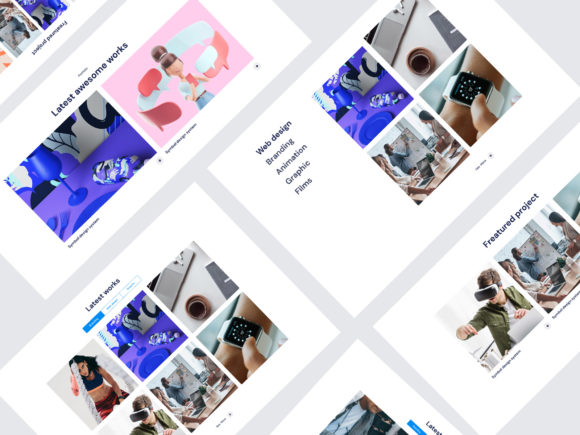
Portfolio UI KIT and Nothing Web UI Kit – Streamline Your Design Process
For designers, developers, and creative professionals, the right tools can make all the difference in productivity and quality. Portfolio UI KIT and Nothing Web UI Kit are two powerful resources that offer a wide range of design elements tailored for modern web development. These kits provide a structured approach to building visually appealing and functional websites, making them ideal for both new and experienced users.
Whether you're working on a personal project, a client's website, or a business application, these UI kits help you save time while maintaining consistency across your designs. With over 400 blocks and 20 content categories, they cover a broad spectrum of design needs, ensuring that you have everything you need to create a polished digital presence.
Understanding Portfolio UI KIT
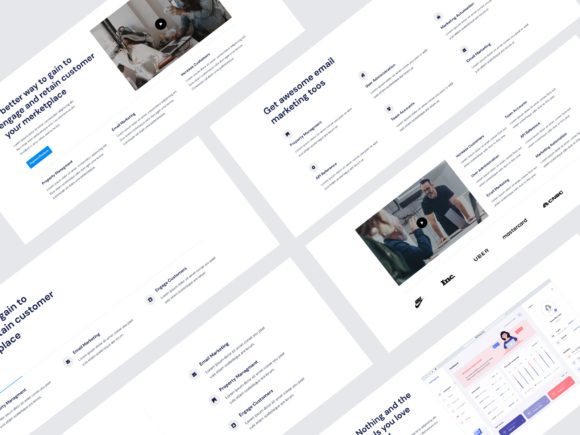
Portfolio UI KIT is a comprehensive collection of design elements designed to support the creation of professional-looking websites. It includes a variety of layouts, navigation styles, headers, and UI components that can be easily customized to fit specific project requirements. This kit is particularly useful for those who want to streamline their workflow without sacrificing creativity or quality.
One of the key benefits of Portfolio UI KIT is its organization. The elements are grouped into 20 popular content categories, making it easy to locate and use the right components for your project. This structure helps reduce the time spent searching for assets, allowing you to focus more on the actual design process.
Additionally, the kit supports multiple design platforms, including Sketch, Figma, and Adobe XD. This compatibility ensures that you can integrate the kit into your existing workflow seamlessly. Whether you're a solo designer or part of a larger team, having access to a well-organized set of UI elements can significantly improve your efficiency and output quality.
How Portfolio UI KIT Fits Into Your Workflow
Using Portfolio UI KIT can be beneficial at various stages of your design process. Before starting a project, it can serve as a reference for best practices and design trends. During the development phase, it provides ready-to-use components that can accelerate your work. After completion, it helps maintain consistency across different pages or sections of your website.
For example, when planning a new website, you might use the kit to sketch out a rough layout or identify key elements that should be included. This initial step can help clarify your vision and ensure that your final product meets both aesthetic and functional goals. Once the design is underway, the pre-built elements can be customized to match your brand’s identity and user experience requirements.
Moreover, Portfolio UI KIT can be used alongside other design tools and resources. For instance, if you're using a design system or a framework like Bootstrap, the kit can complement these tools by providing additional UI elements that align with your overall design strategy. This integration ensures that your website remains cohesive and visually consistent across all platforms and devices.
Nothing Web UI Kit – A Complementary Resource
In addition to Portfolio UI KIT, the Nothing Web UI Kit offers a similar set of design elements tailored for web development. While it shares some similarities with Portfolio UI KIT, it also has unique features that cater to specific use cases. For instance, it includes a variety of header section styles, navigation options, and text styles that can be adapted to different types of websites.
The Nothing Web UI Kit is particularly useful for projects that require a clean, minimalistic design. Its focus on simplicity and usability makes it an excellent choice for businesses looking to create a modern online presence. By using this kit, you can ensure that your website not only looks great but also functions efficiently for users.
Like Portfolio UI KIT, the Nothing Web UI Kit is organized into categories, making it easy to find and apply the right elements. This structure is especially helpful for designers who need to quickly access specific components without getting overwhelmed by too many options. The kit also includes a style guide and symbols that help maintain consistency throughout your design.
Integrating UI Kits Into Your Design Process
When integrating Portfolio UI KIT or Nothing Web UI Kit into your workflow, it's important to consider factors such as preparation, usability, and long-term maintenance. Start by assessing your project requirements and identifying which elements from the kit will be most useful. This planning stage can help you avoid unnecessary complexity and ensure that the kit enhances, rather than complicates, your workflow.
Another consideration is compatibility with your existing tools and platforms. Both kits are designed to work with major design software, so you can expect a smooth integration. However, it's still a good idea to test the kit with your current setup to ensure that it meets your needs. This testing phase can help you identify any potential issues before they become a problem during actual development.
Once you've integrated the kit into your workflow, take advantage of its organizational features to keep your design files tidy. Using the built-in layers and symbols can help you manage complex projects more effectively, reducing the risk of errors and improving collaboration with others. Additionally, maintaining a consistent style across your designs can enhance the user experience and make your website more professional-looking.
Practical Tips for Using UI Kits Effectively
To get the most out of Portfolio UI KIT and Nothing Web UI Kit, consider the following practical tips:
- Customize, don’t copy. While the kits provide ready-to-use elements, it's important to adapt them to fit your specific needs. Customization ensures that your design remains unique and aligned with your brand’s identity.
- Use the style guide. Both kits include a style guide that outlines typography, color schemes, and spacing rules. Following these guidelines can help maintain consistency and professionalism in your designs.
- Organize your files. Keep your design files well-structured by using the layers and symbols provided in the kits. This organization can save time during the development phase and make collaboration easier.
- Test across devices. Ensure that your designs look and function properly on different screen sizes and devices. This testing phase is crucial for delivering a seamless user experience.
By applying these tips, you can maximize the benefits of using UI kits while avoiding common pitfalls. These strategies not only improve your workflow but also contribute to the overall quality of your final product.
Long-Term Benefits of Using UI Kits
Investing in a high-quality UI kit like Portfolio UI KIT or Nothing Web UI Kit can have long-term benefits for your design practice. These kits help you build a library of reusable elements that can be applied to future projects, saving time and effort in the long run.
Additionally, using a consistent set of design elements can improve the user experience of your websites. Users tend to prefer interfaces that are familiar and easy to navigate, which can lead to higher engagement and better conversion rates. By leveraging the power of these kits, you can create designs that are both visually appealing and functionally effective.
As your design skills grow, you may find that these kits become an essential part of your toolkit. They provide a solid foundation for your work, allowing you to focus on innovation and creativity rather than repetitive tasks. This shift can lead to more efficient workflows and higher-quality outputs, ultimately benefiting both you and your clients.