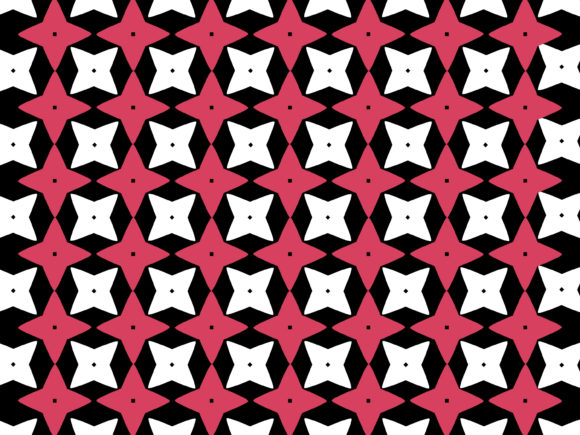
Geometric Seamless Patterns: A Strategic Tool for Creative and Business Success
Geometric seamless patterns are more than just visual elements—they are a powerful resource for designers, marketers, and business professionals looking to enhance their creative output and strategic positioning. Whether you're designing a website, crafting a fabric, or developing a brand identity, these patterns offer a versatile foundation that can be adapted across multiple platforms and purposes. Their structured yet flexible nature makes them ideal for achieving consistency, clarity, and impact in both digital and physical formats.
Understanding the Value of Geometric Seamless Patterns
At their core, geometric seamless patterns are repeating designs composed of shapes like triangles, circles, squares, and polygons. These elements are arranged in a way that allows them to connect seamlessly without visible breaks or gaps. This characteristic makes them particularly useful for backgrounds, textiles, and other applications where continuity is essential.
For professionals in design, marketing, and branding, the strategic use of geometric seamless patterns can significantly influence how a message is perceived. They provide a sense of order and sophistication, which can reinforce brand identity and elevate the overall aesthetic of a project. When used thoughtfully, they can also guide the viewer’s eye, create visual hierarchy, and support the narrative of a design.
Strategic Applications of Geometric Seamless Patterns
Geometric seamless patterns are not limited to one specific industry or application. Their adaptability makes them valuable across a wide range of fields, including web design, textile production, packaging, and even educational materials. For instance, a small business owner might use these patterns as a background for a product catalog, while a graphic designer could incorporate them into a website layout to add depth and interest.
One of the key advantages of geometric seamless patterns is their ability to support long-term brand strategy. By maintaining a consistent visual language, businesses can build stronger recognition and trust with their audience. This is especially important in competitive markets where differentiation is crucial. A well-chosen pattern can become a signature element of a brand’s identity, making it instantly recognizable and memorable.
When to Use Geometric Seamless Patterns
Determining when to use geometric seamless patterns requires careful consideration of the goals and context of a project. In some cases, they may serve as a subtle backdrop that enhances the main content without drawing attention away from it. In others, they might be the central focus, used to convey a specific message or emotion.
For example, a fashion brand launching a new collection might use a geometric seamless pattern on its packaging to evoke a sense of modernity and innovation. Similarly, a tech startup could integrate such patterns into its website to communicate a sense of structure and precision. The key is to align the pattern’s characteristics with the intended message and audience perception.
How to Approach Geometric Seamless Patterns Strategically
Before incorporating geometric seamless patterns into a project, it’s essential to define clear objectives. Ask yourself: What do I want this pattern to achieve? Is it to reinforce a brand’s identity, improve user experience, or create a visually appealing environment?
Once the purpose is clear, consider the scale and complexity of the pattern. A highly intricate design might work well for a luxury brand but could overwhelm a more minimalist or functional application. It’s also important to test the pattern in different contexts to ensure it remains effective and readable across various mediums and sizes.
Planning and Decision-Making with Geometric Seamless Patterns
Effective use of geometric seamless patterns often involves a balance between creativity and practicality. While the artistic potential is vast, it’s equally important to think about how the pattern will perform in real-world scenarios. Will it be visible on a mobile device? Will it be printed on fabric or paper? These questions can help guide the selection and customization process.
Another consideration is the emotional and cultural associations of the pattern. Certain shapes and arrangements can evoke specific feelings or meanings. For example, a hexagonal pattern might suggest efficiency and organization, while a spiral could imply movement and growth. Understanding these nuances can help you make more informed decisions about which patterns to use and how to apply them.
Examples of Practical Use Cases
Let’s explore a few real-world examples to illustrate how geometric seamless patterns can be applied effectively:
- Web Design: A clean, minimalistic website might use a subtle geometric pattern as a background to add texture without distracting from the content.
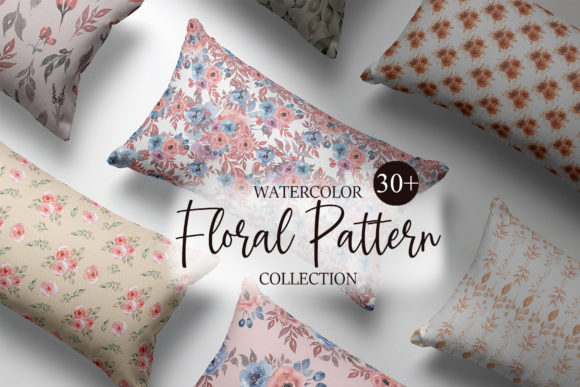
- Fabric Design: A home decor brand could use a bold, repeating pattern on a throw pillow to create a striking visual statement that complements its overall aesthetic.
- Branding: A food company might incorporate a simple geometric pattern into its logo or packaging to reinforce a sense of quality and craftsmanship.
The Risks of Using Geometric Seamless Patterns Without Purpose
While geometric seamless patterns can be incredibly useful, they can also be counterproductive if used without clear intent. A pattern that is too busy or complex may confuse the viewer, while one that is overly simplistic might fail to engage or inspire. Additionally, using a pattern solely for aesthetic reasons without considering its relevance to the overall message can lead to a disjointed or unprofessional appearance.
It’s also important to avoid relying on patterns as a substitute for thoughtful design. A well-crafted pattern should enhance the user experience, not overshadow it. If the pattern becomes the focal point rather than a supporting element, it can detract from the primary content or message.
Intentional Use of Geometric Seamless Patterns
To use geometric seamless patterns intentionally, start by defining your goals and audience. Consider what emotions or messages you want to convey and how the pattern can support those objectives. Then, experiment with different variations to find the one that best aligns with your vision.
Collaboration is also key. Working with designers, developers, or branding experts can help ensure that the pattern is implemented effectively and consistently across all platforms. This approach not only improves the final result but also strengthens the strategic value of the pattern within your broader creative or business plan.